
** Note Our Podcast What Else You Got? Recorded our E7 - Emergency Preparedness podcast before the Guadalupe river flood in Texas.
Every year there are about 7000 natural disasters around the world, with an average mortality count of 60,000. Statistically that means you as an individual might have a low statistical chance of being one of the people effected by a disaster. Many times the effects of a disaster effect a larger group than those directly impacted. In 2017 when Hurricane Harvey hit the Texas coast, gas prices across the US increased due to fears of gas shortages. You might not be in the disaster but the effects can be felt much further away.
How ready are you when disaster hits?
There are many ways someone can prepare for an emergency. This can be preparing supplies for yourself and your families, having an emergency fund, taking classes on how to handle certain scenarios, or volunteering with a group that responds to the emergency. In this article we will go over a couple of the ways on how to prepare. We do have a supplemental article free to those who sign up for an account on Scabbard Media that goes over how to prepare a 72 hour kit.
Know your risk profile
Probably one of the best things to have prepared is knowledge of how to respond to incident, emergencies, or disasters. If a tornado hit your town what do you do? If a flood comes in where do you go? If aliens invade who do you call? The odds of one of these happening to you can be as simple as seeing the signs and avoiding it or in many times you were in the wrong spot at the wrong time. Do you know the signs of potential risks?
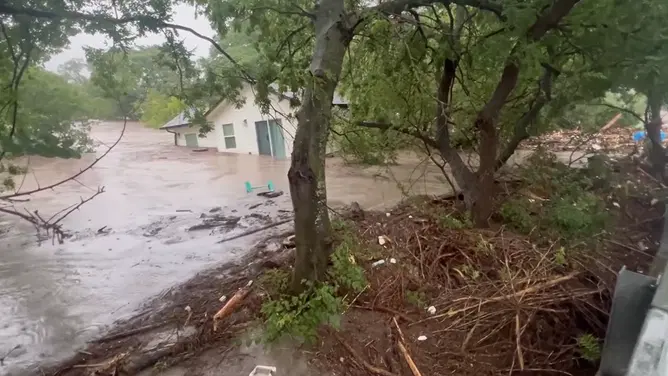
With the recent Guadalupe river flood in Texas there were too many social media posts where people were standing right in the way of flood where it was barreling toward them, and people wanted to watch or record instead of seeking a safe place. Yes, when something like this happens it is awe inspiring, or intriguing but that is not the point. Do you want to join those people are looking for, or do you want to help do the searching for those who are missing?
Hazards of your area
The first thing to do is know what hazards are in your area. Are you next to water, a mountain, a forest, an open field? What risks do each of these pose. Yes an open field is a risk. Not for the reasons you might think. Open field means you dont have anything that could block you from a flood, a blizzard, or other risks. In contrast in a forest brings different risks like fire or a land slide. Know what you may need to prepare for.
Having lived across the country myself I have been in tornado prone areas, earthquake prone, flood risk, hurricane risk, blizzard areas, and many more. I will only outline some of these scenarios but it is up to you to learn what to do in your area, and think outside the box on some of these.
Below are some common correlation between an environmental feature and some risks that may come with it.
Mountains - Earthquake, landslide
Water - Flooding
Open Field - Tornado, Blizzard, Fires
Forest - Fires
City - Civil unrest, Supply issues
Rural - Slow response when help is needed
Personal Ability
When an event occurs what are your abilities to weather the issue? In our modern age there are many conveniences that have separated us from basic skills that make all the difference. Below is a list of simple skills that will be beneficial when issues arise:
Cooking without power
First aid
Fire making
Shelter construction
Communication without a cellphone
Ability to find food
Ability to navigate to get to a safe place without GPS.
Have a Plan
Once you know what risks you have in your area and what your skills are you can begin making a plan on how to best handle an emergency. Here are some simple questions to ask when creating your plan:
When x occurs:
Do I leave or stay?
How long until help arrives?
How long until I leave?
Where is a safe place to go?
Who do I contact
To let them know I am safe?
To ask for help?
To offer help?
What do I need to survive?
Who is with me?
If you can answer all of these questions you are far better off than most people.
Prepare
Yes prepare, you dont have to be a doomsday prepper, but you need to collect what you will need to be able to execute your plan from above. Some of the staples of basic preparedness I have listed below:
Food (shelf stable)
Water (already collected or ability to collect)
Medical (first aid, prescriptions, specialty)
Tools (flashlight, batteries, multitool, shovel, duct tape)
Documents (IDs, important documents, maps, pictures of those in your group)
Money (small denominations (spending $20 for a $3 bottle of water is not good))
One thing I did find while I was researching the topic was a grab list. This is a list of things that you use regularly that dont live in your emergency supplies but are items you want to take with you if you need to leave and have time to collect them.
Levels of preparedness
There are a variety of levels or preparedness:
No preparation
1 day
3 day
1 week
1 month
1 year
It is recommended for most people to be at least 3 days. General incident response usually can get to an area withing 3 days. FEMA, an emergency response agency in the US, can take up to a week to make it to an effected area, and depending on where you are at, it might take longer. You need to have enough supplies to make it out of the area or enough for help to make it to you.
We have a supplementary guide for free to those who create an account on Scabbard Media .com on creating a 72 hour kit.
Summary
When disaster strikes, do you know what you are going to do? Do you have what you need to weather the disaster? The key to preparedness is not to be able to feed everyone, but it is to not to take away from those who need help more than you.
Additional Resources:
Emergency kit checklist - FEMA
Red Cross 72 hours kit for sale
LDS Living 14 items for your emergency kit
Image Credits:
https://www.foxweather.com/extreme-weather/home-crashes-bridge-guadalupe-river-deadly-texas-flooding